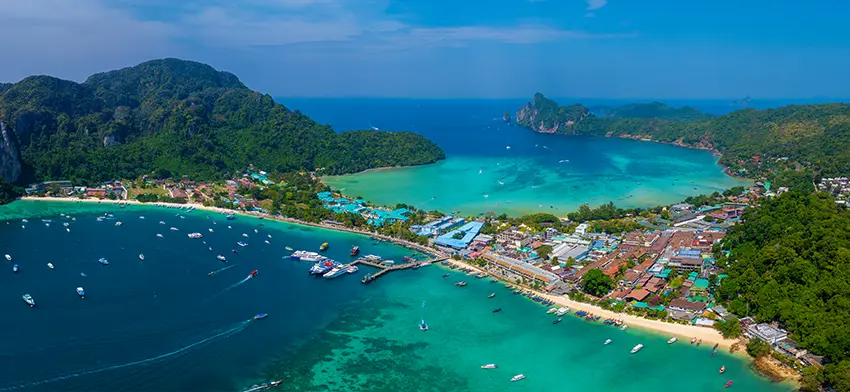
Studying in Thailand can be an exciting opportunity for international students looking for academic achievement in a culturally rich and budget-conscious environment. With a population of 71 million and counting, Thailand is renowned for its warm hospitality, dynamic culture, and scenic landscapes. Known as the “Land of Smiles,” it attracts over 20,000 international students every year.
Thailand’s higher education system is governed by the Ministry of Education and features a mix of public and private universities, technical institutes, and specialized colleges. Students can pursue degrees in a wide range of disciplines, including medicine, IT, the arts, and humanities. Degree programs are often available in English, with many institutions steadily expanding their international course offerings. The academic year typically follows a two-semester structure, though some universities align with Western calendars.
Tuition fees at public universities are modest, usually ranging from €1,600 to €2,500 per year, with private universities priced higher. Thailand’s cost of living is also comparatively low, and students benefit from a well-connected transportation system and an affordable lifestyle.
Why Thailand?
Low Tuition Fees
Warm Climate/Natural Beauty
Cultural Immersion
Pathway to PR
Reasons to Choose Thai Universities
Thai universities are focused on internationalization, with many programs taught in English and a growing number of student services aimed at foreign learners. The country’s major institutions, such as Chulalongkorn University and Mahidol University, are globally recognized and well ranked in the QS World University Rankings. Apart from academics, students also enjoy Thailand’s tropical weather, coastal destinations, and historic landmarks. Visit the Grand Palace in Bangkok or enjoy the natural wonders of Erawan National Park; the country provides rich experiences outside the classroom.
Thailand offers a path to permanent residency for international students. After completing a degree and working in Thailand for three years, qualified graduates can apply for PR status, which adds to the country’s appeal as a long-term destination for education and employment. Visit the Thai Embassy website to learn more about the rules, which might change.
With respected universities, a friendly atmosphere, and accessible education costs, Thailand is an attractive option for students who want to study abroad without financial strain.
Top Universities in Thailand :
Shinawatra University
Chulalongkorn University
Mahidol University
Chiang Mai University
Thammasat University
Kasetsart University
Khon Kaen University
King Mongkut's University of Technology Thonburi
Prince of Songkla University
King Mongkut's University of Technology North Bangkok